
From traditional concrete pools to modern vinyl liner and fiberglass pools, each has its own unique characteristics and scenarios for application. Similarly, the pool lights that are suitable for these three types of pools are very different. For example, the structure, the installation method. This article will detail the characteristics of these types of pools and the lighting products that are suitable for them.
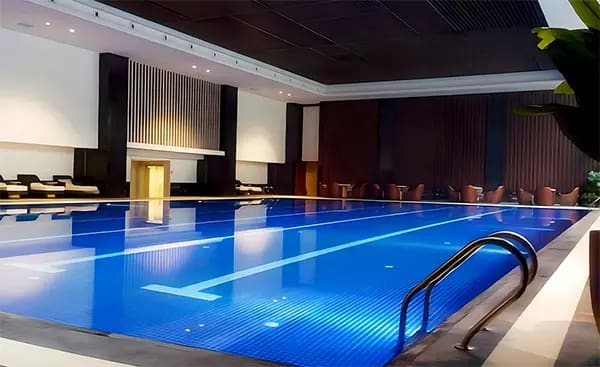
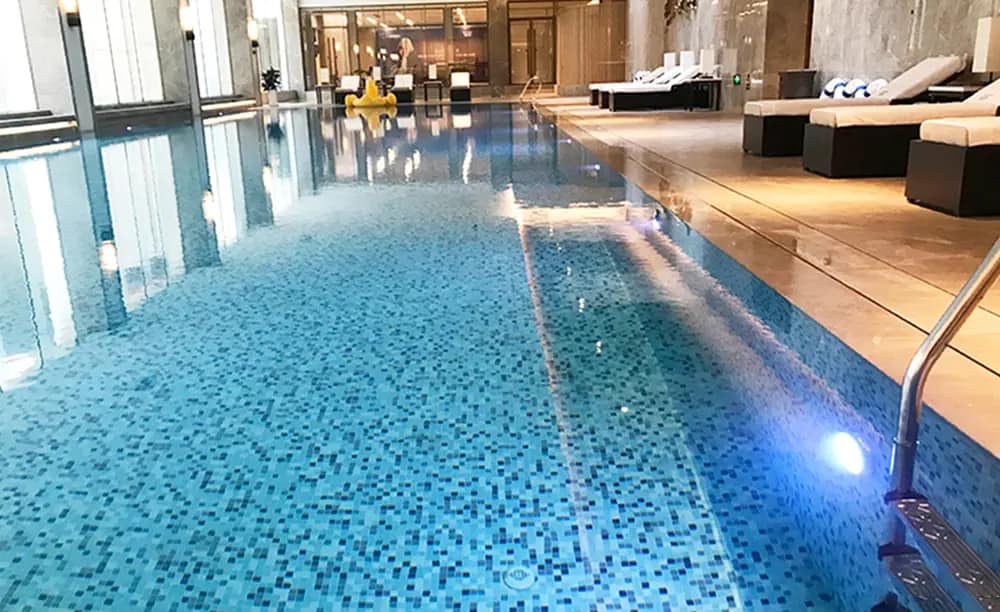
Concrete pools are made by spraying concrete onto a reinforced steel frame, and they are the most traditional pool option. Once the concrete is fully cured, builders usually cover the surface with a layer of tile.
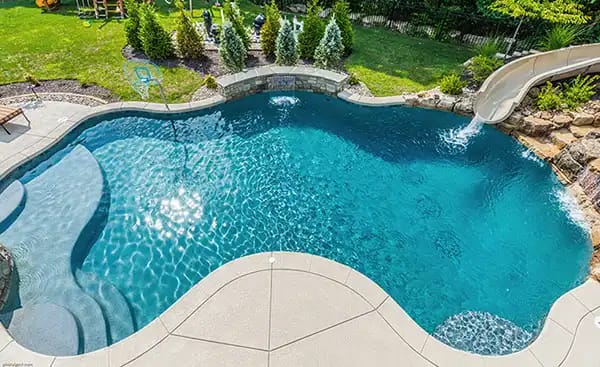
Concrete pools allow you to customize the size, shape, and other features. Whether you want a classic rectangular pool, a free-form pool, or another creative design, a concrete pool will meet your needs.
Tiling and other finishes allow for smooth, patterned, stone-like and other unique effects. You can add features according to the needs and preferences of your family members.
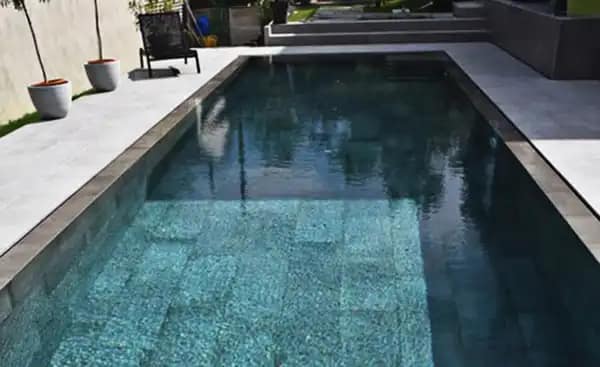
The following factors make concrete pools very durable :
Outstanding durability greatly reduces the maintenance costs of concrete pools. Once constructed, they require no additional maintenance for years or more. Of course, regular cleaning is still necessary.
Concrete pools have a more involved construction process. Generally, it takes about 3-6 months. Of this, just waiting for the concrete to completely cure takes nearly a month.
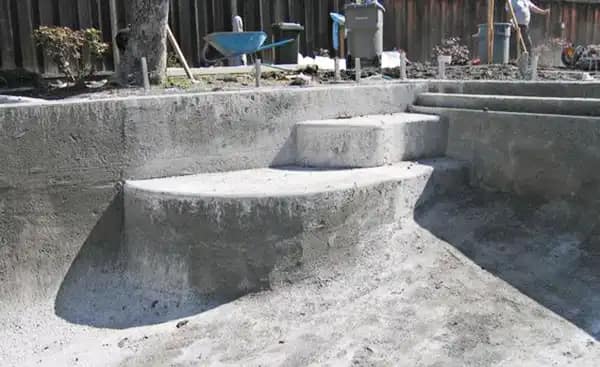
Building a concrete pool consumes a lot of concrete, steel, tiles and other materials. Digging the ground, building the reinforced structure, pouring the concrete, and applying the tiles are all time-consuming and labor-intensive processes during construction.

Additionally, if your pool is very customized, this can add to the cost of time when designing and building.
Concrete pools are very hard, and some surface materials have a rougher texture. In the event of a collision or scratching accident, this could cause damage to our bodies.
Concrete pool lights have simpler and more varied installation fittings than lighting products found in vinyl liner and fiberglass pools. This is because there are no vinyl liners or fiberglass panels in concrete pools, and no additional sealing or fastening designs are required for them.
Here are three common concrete pool light installation videos :


Vinyl Liner pools have a customized vinyl liner attached to the surface. The vinyl liner is a sealing material with excellent waterproofing properties. The base of such pools is usually made of vermiculite or cement paste, while the walls are most commonly made of plastic.
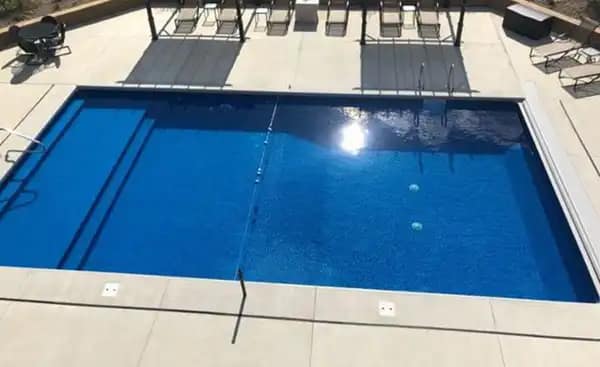
It is important to note that some concrete pools are not tiled. These pools likewise choose to attach a vinyl liner to the surface for easy cleaning.
Most vinyl liner pools are built in 4-8 weeks, which is much faster than concrete pools that take 3-6 months.
Vinyl liner pools are flexible and customizable in size, shape, color and pattern. Customization is not as flexible as with concrete pools due to material and structural limitations.
Vinyl liners have a smooth surface that is easy to clean. Most liners are even somewhat flexible, which is a significant difference from the hard or even rough surface of concrete pools.
Vinyl liners are usually less than a millimeter thick and can be scratched or torn by sharp objects. Because many liners are flexible, creases may develop during fabrication or use. Larger creases are difficult to remove.
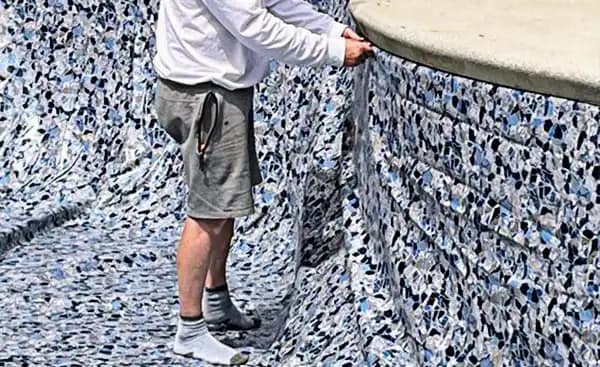
If properly used and maintained, vinyl liners have a life expectancy of 5 years, after which time they can cost thousands or even tens of thousands of dollars to replace.
Vinyl liners must maintain a good seal when in use. Therefore, vinyl liner pool lights need to take this into account when installing them as well. The mounting components of these pool lights usually include waterproof gaskets to prevent water from seeping into the vinyl liner.
Here is an installation video of a vinyl liner pool light :

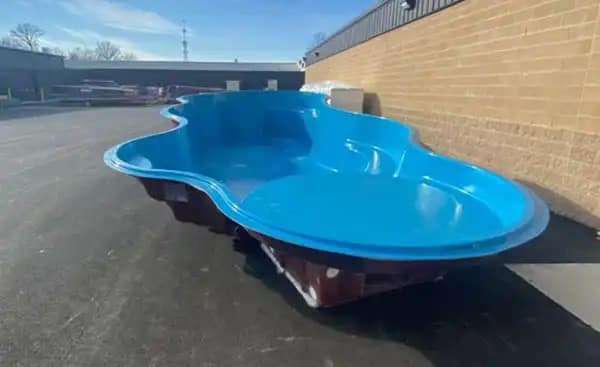
Fiberglass pools are constructed of fiberglass layered with polyester resin and then molded in one piece using a mold. These pools are manufactured in factories and then transported to locations ready for installation.
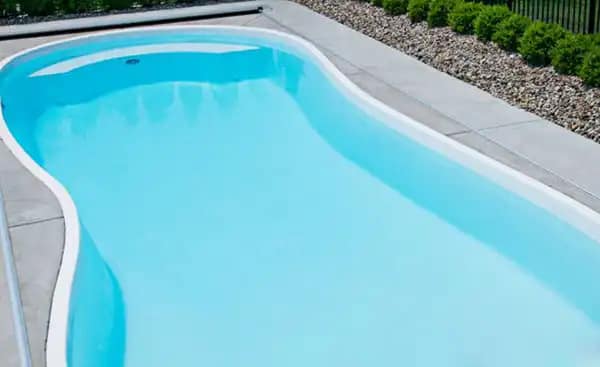
Fiberglass has a flat surface that is less likely to hold on to algae and dirt, making it easier to clean. In addition, this material is more resistant to chlorine or acids, so you can feel confident using them to clean your pool.
Fiberglass pools are molded in one piece, so all you have to do is transport them to a designated location and secure them for installation. It takes far less time to build and install than concrete and vinyl liner pools.
Fiberglass pools are lightweight, strong, corrosion-resistant and resistant to aging. If used and maintained properly, it can be used for more than ten years.
Since fiberglass pools are manufactured in one piece through molds, you can only choose from the styles offered by the manufacturer. This can also lead to a limited maximum size it can be purchased in.
Fiberglass pools cost more to build than other pools, mainly due to the higher purchase cost.
Since fiberglass pools are delivered in one piece, transportation and installation can be a problem. This may involve the use of large trucks, cranes. If the transportation distance is too far, you may have to wait for weeks for delivery.
To keep the fiberglass panels waterproof, the fiberglass panel pool light comes with a waterproof washer in the mounting kit. Since the pool light needs to be secured to the fiberglass board, the fiberglass board pool light is threaded and a nut is included in the mounting kit.
Here is an installation video of a fiberglass pool light :


 EN
 ES
 FR
 ID