
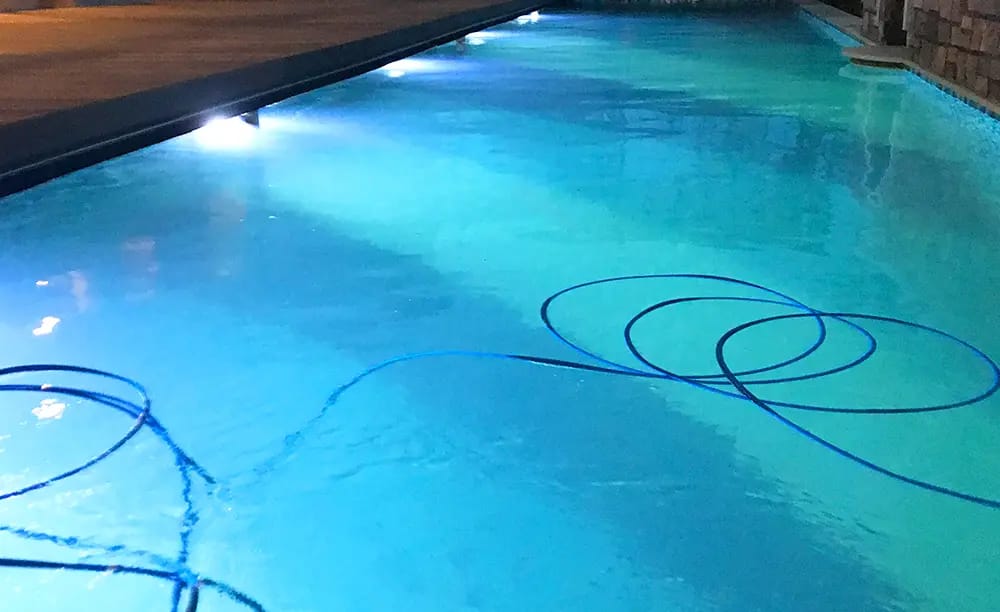
When constructing or maintaining a swimming pool, the selection, installation, and upkeep of electrical wiring are critical considerations. Pool wiring not only impacts electrical safety but also directly affects the operational efficiency and lifespan of pool equipment. This article explores the requirements for pool wiring in detail, covering material selection, installation standards, safety precautions, and maintenance practices.
Pool wiring demands stricter specifications compared to standard wiring due to the unique challenges of pool environments, such as high humidity, exposure to splashing or submersion in water, and contact with chemicals like chlorine and disinfectants. Special attention must be paid to material selection, insulation performance, corrosion resistance, and waterproofing.
Pool wiring typically uses copper or aluminum as a conductive material. Copper is preferred for its superior conductivity and corrosion resistance. The insulation layer should be made of specialized materials to resist moisture penetration and chemical corrosion. Common insulation materials include polyvinyl chloride (PVC), cross-linked polyethylene (XLPE), and thermoplastic elastomers (TPE), which offer excellent insulation, weather resistance, and durability.
The insulation layer must meet rigorous specifications to withstand the harsh pool environment. For instance, a minimum thickness of 1.5 mm (IEC 60227) and dielectric strength of 3000V AC are required to prevent current leakage and short circuits. Materials like XLPE are preferred over standard PVC due to their enhanced thermal stability and resistance to chlorine corrosion.
The insulation must also maintain a surface resistance of ≥100 MΩ·cm after 72 hours of submersion (IP68 rating) and withstand UV exposure from direct sunlight. Per IEC 60364-7-702, pool wiring should achieve a minimum insulation resistance of 1 MΩ when tested at 500V DC, with all connections complying with UL 676 for underwater applications.
Chemicals like chlorine and disinfectants in pool environments can corrode wiring. Therefore, pool wiring should utilize corrosion-resistant insulation materials, such as PVC or XLPE treated with anti-corrosion additives.
Waterproofing is essential to prevent internal short circuits or electrical fires. Watertight seals, junction boxes or immersion connectors can accomplish this. In addition, depending on the actual application scenario, the insulation of the wire also needs to have a certain degree of water resistance.
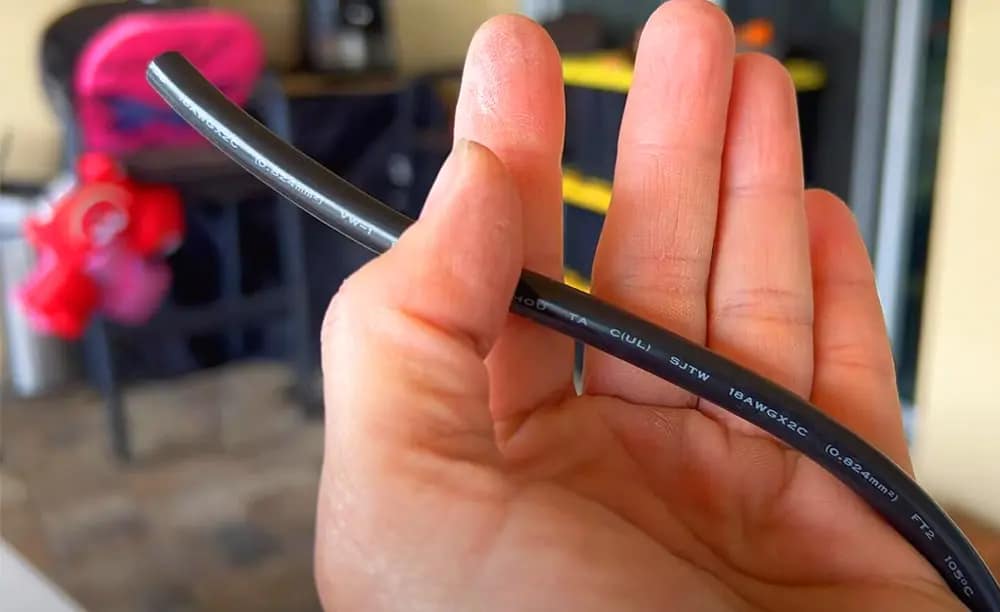
Proper installation of pool wiring is a technical task that requires adherence to regulations and standards to ensure safety and optimize equipment performance.
Selecting Appropriate Wire Specifications
Choose wire specifications based on the electrical demands of pool equipment and the installation environment. High-power devices like pool pumps and heaters require larger conductor cross-sections and higher current-carrying capacity.
Seal connection points with waterproof connectors and junction boxes to prevent moisture or chemical intrusion. These components must be corrosion-resistant and securely installed to avoid loosening or disconnection.
Use corrosion-resistant clamps or brackets to firmly secure wiring. Ensure fixtures withstand pool conditions and remain stable under human activity or water flow.
Install a reliable grounding system to reduce electrocution risks and protect equipment from electrical damage. Grounding must comply with national standards and regulations.
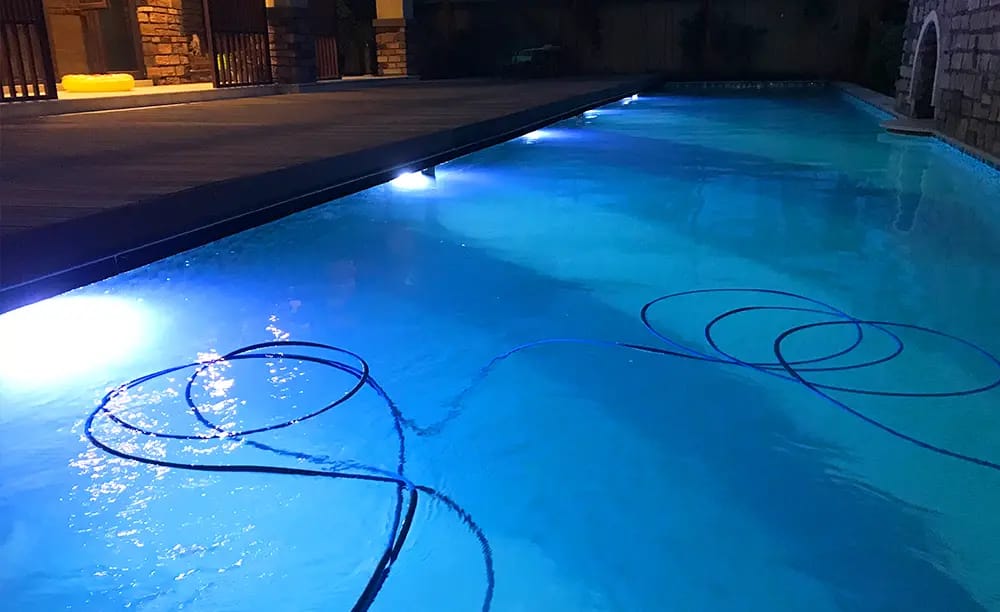
As a critical component of electrical systems, pool wiring requires robust safety.
GFCI (Ground Fault Circuit Interrupter) is a central safety device in a pool electrical system to prevent electrocution, but its necessity needs to be judged based on the voltage level and system design.
In North America (following NEC standards), the European Union (following IEC standards) and most regions, GFCIs are required for all high voltage circuits (120 volts and above) that come into direct contact with the pool area. in North America, NEC Article 680.5 requires that pool lighting, pumps, receptacles, and other 120V-240V equipment must be protected by GFCIs. The European Union’s IEC 60364-7-702 requires that all AC circuits in pool areas be equipped with an RCD (residual current device, similar to a GFCI).
A GFCI is not normally required if the pool light is of a Safe Extra Low Voltage (SELV) design (e.g., 12 Volt/24 Volt) and meets the following conditions:
Routinely check insulation integrity, connection stability, and fixture security. Address issues like damaged wires or loose connections promptly. Keep wiring clean and dry, especially in submerged areas.
Protect wiring from cuts, crushing, or tension using protective sleeves or guards. Reinforce vulnerable areas in high-traffic or turbulent zones with abrasion-resistant covers or additional fixtures.
Install visible warnings and barriers to deter access to hazardous zones. Use underwater markers or safety nets for submerged wiring.
Over time, pool wiring may deteriorate due to environmental factors. Wiring issues may also cause pool lighting to not work properly. At this point, replacing the wiring is critical to safety and longevity.
As a vital component of pool electrical systems, wiring safety, durability, and efficiency directly impact equipment performance and user experience. Adherence to standards during selection, installation, and maintenance ensures compliance and reliability. Proactive safety measures and diligent upkeep reduce energy waste, enhance efficiency, and deliver a safer, more enjoyable pool environment.

 EN
EN  ES
ES  FR
FR  ID
ID