
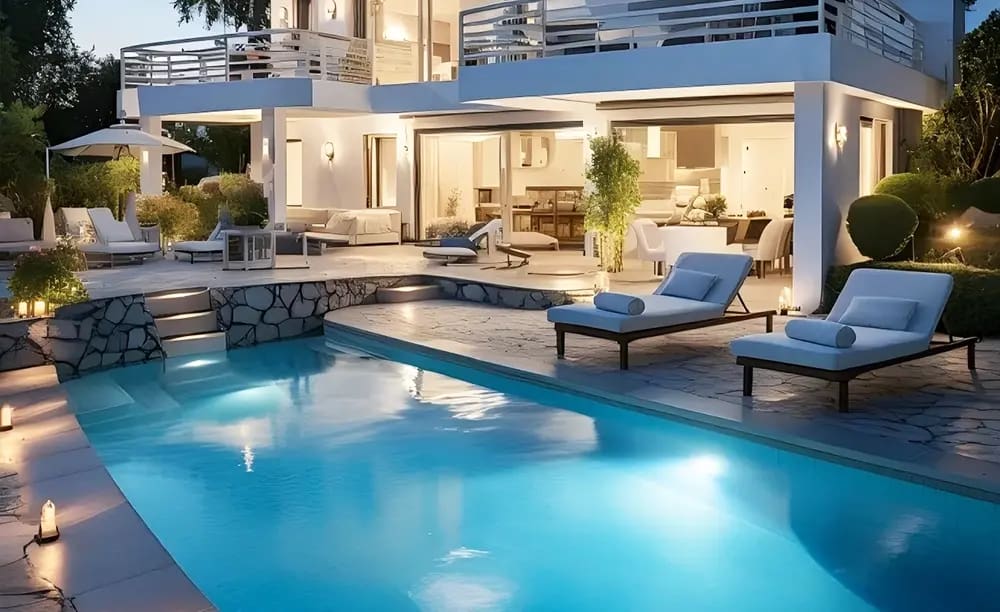
As a key venue for leisure, entertainment, and fitness, swimming pools have unique appeal at different times of the day. Pool lights, as part of the pool environment, often spark discussions about when and how to use them. During the day, sunlight seems sufficient to illuminate the pool. But does this mean pool lights are unnecessary in daylight?
Sunlight serves as the primary light source for pools during the day. Natural light is intense and has a rich spectrum, accurately reflecting the color of the water and the surrounding environment. Under direct sunlight, the water appears clear and sparkling, creating a fresh, natural ambiance. In summer, lush trees and vibrant flowers around the pool, bathed in sunlight, form a picturesque scene.
Though sunlight is abundant, pool lights can still serve specific purposes. If the pool is under shade—such as from awnings or trees—some areas may appear dim. In such cases, pool lights can provide supplemental lighting, ensuring even illumination across the entire pool.
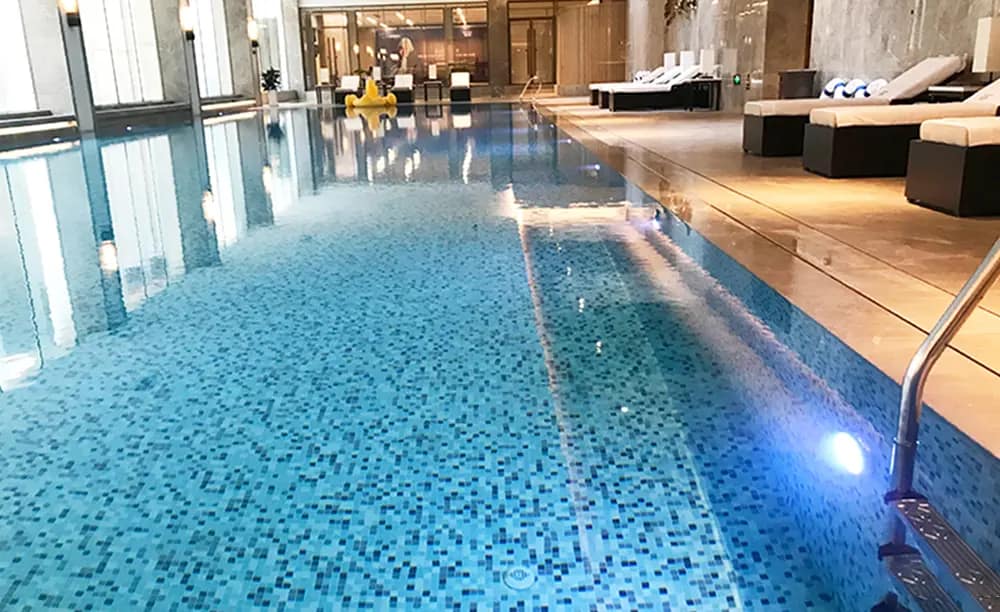
Beyond lighting, pool lights also enhance aesthetics. Modern pool lights come in various styles and colors, allowing for dynamic combinations that create unique atmospheres. Blue lights can make the pool resemble a deep ocean, while multicolored lights add a festive vibe at night. Many hotel pools use colorful lights after dark to offer guests a visually stunning experience and boost the hotel’s appeal.
On sunny days, when the sun is strong and natural light is perfectly adequate to meet the basic lighting needs of many outdoor swimming pools, turning on pool lights at this time may not be very effective. However, on cloudy or rainy days, when the intensity of natural light dims and the pool surroundings become dim, turning on the pool light can enhance the brightness of the pool area, making swimmers feel more comfortable and safe. Additionally, in the early evening when the angle of the sun is low and certain parts of the pool may be in shadow, pool lights can also provide good supplemental lighting.
A well-lit pool positively affects swimmers’ moods. Bright, colorful lighting during the day can uplift spirits and promote relaxation. Conversely, a dim or monotonous environment may cause discomfort. For individuals dealing with anxiety or stress, a beautifully lit pool can provide emotional relief and enhance mental well-being.
Even in daylight, certain areas—like corners or deep ends—may remain poorly lit. Pool lights help lifeguards and others monitor the pool more effectively, reducing blind spots and improving response times in emergencies. Large or irregularly shaped pools, such as those in water parks, often keep some lights on during the day to ensure full visibility.
Daytime lighting is critical during pool cleaning, maintenance or underwater activities. When cleaning a pool, you need enough visibility to spot stains. Underwater activities such as photography or diving require adequate lighting for safety and convenience.
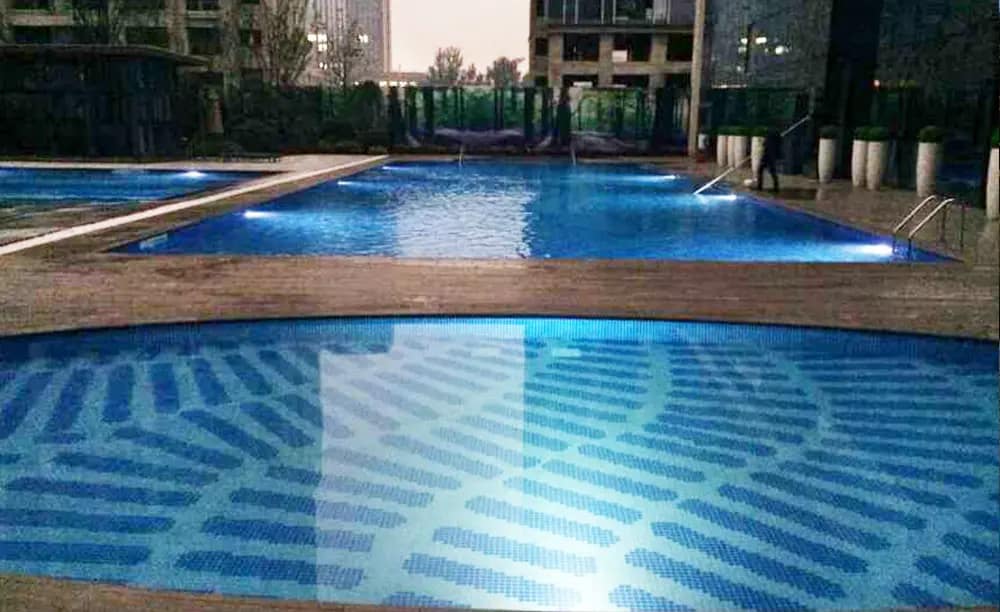
For private pools, daytime lighting depends on the owner’s preferences. If the pool has shaded areas or the owner wants a specific ambiance, lights may be used. However, for everyday swimming, natural light usually suffices, and lights are often reserved for evenings to save energy. Some homeowners turn on colorful lights during daytime parties to enhance the festive mood.
Hotels balance guest experience with branding. Daytime events like weddings or pool parties may warrant lighting to create a better atmosphere. Additionally, well-lit pools elevate the hotel’s image. For 24-hour pools, some lights may stay on to ensure consistent illumination.
Public pools prioritize natural light to reduce operational costs. However, during competitions, performances, or poor weather, lights are used to meet safety and visibility needs. For example, during a city-level swim meet, full lighting ensures optimal conditions for athletes and spectators.
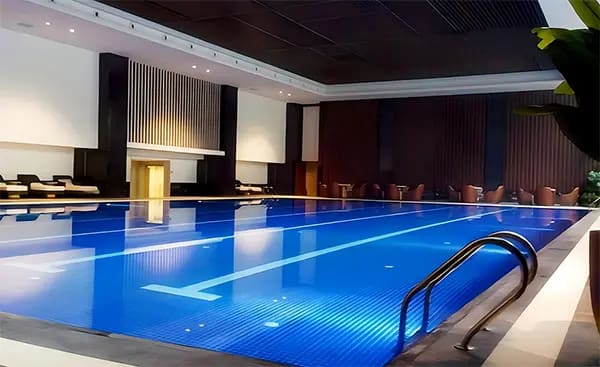
Water Park pools usually feature a variety of recreational facilities and a wide range of activities, with the goal of providing guests with a fun and exciting play experience. During the daytime, water park pools will decide whether to turn on the pool lights or not according to different areas and activity needs. For some pool areas with special themes, such as man-made beaches, underwater world theme pools, etc., the pool lights will be turned on during the day to create a unique atmosphere and enhance the visitors’ sense of immersion. And in some indoor water parks, due to the lack of natural light, pool lights are even turned on throughout the day to ensure the brightness and safety of the entire play area.
Whether to use pool lights during the day isn’t a simple yes-or-no question. Natural light generally suffices, but pool lights can improve uniformity and add visual flair. They also play a vital role in safety and special scenarios.
Energy and cost considerations remind us to use lights judiciously. Different pools have varying needs based on their purpose and audience.
As technology advances, future pool lights may offer even better performance and efficiency, potentially reshaping this discussion. Let’s wait and see.

 EN
EN  ES
ES  FR
FR  ID
ID