
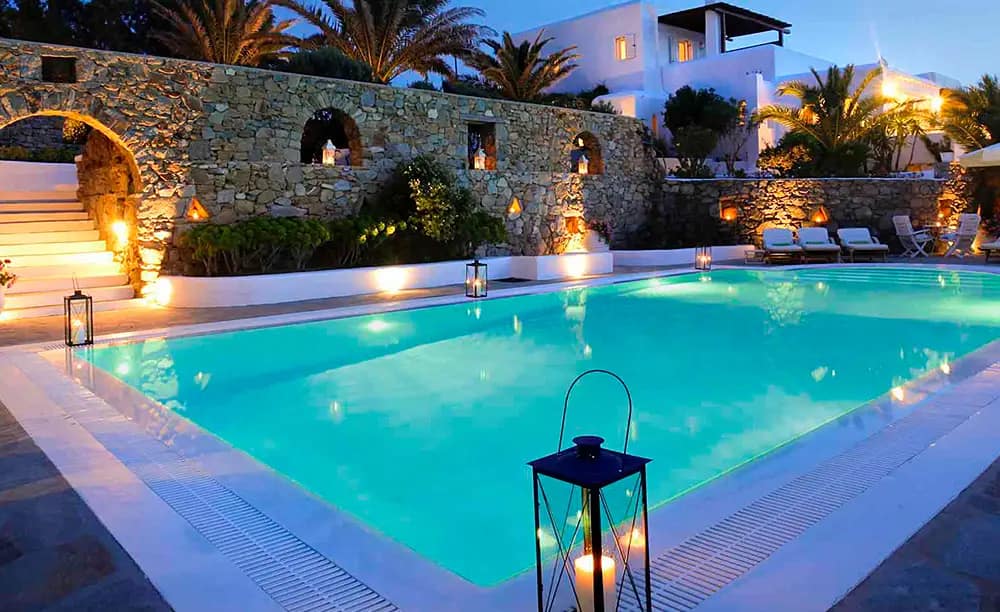
When shopping for pool lights, many people get tripped up by the difference between wattage and lumens. This often leads to the wrong choice—whether it’s lights that are too dim (a safety hazard), too bright (a waste of energy), or simply too power-hungry (driving up operating costs). To help you make the right decision, we’ve rounded up the six most common pitfalls—and how to avoid them.
This is the most common mistake: assuming a 100W light must be brighter than a 50W one. In reality, brightness is measured in lumens, not watts.
For example, a 10-watt LED pool light can provide 800 lumens, while a 50-watt halogen light might also produce 800 lumens—meaning they have the same brightness. So what’s the difference? An LED light consumes only one-fifth the power of a halogen light. Choosing lighting based solely on wattage will only increase your electricity bill without improving the lighting quality.
The right approach: Focus on the lumen rating first, then consider the wattage. Choose energy-efficient lighting (low wattage, high lumens), such as LED lights. This way, you can meet your brightness needs while effectively controlling energy consumption.
It’s easy to assume that a higher lumen rating means better lighting, but in reality, excessively high lumen ratings can actually detract from the swimming experience and even pose safety hazards.
Excessive brightness can cause glare and light pollution. Swimmers may have difficulty seeing their surroundings, thereby increasing the risk of accidents. High-lumen fixtures typically consume more electricity, leading to higher electricity bills over time.
Best Practice: Match the lumen output to the size and intended use of the pool. Aim for “just the right amount”—bright, even, and soft lighting that feels comfortable and safe without being overly glaring.
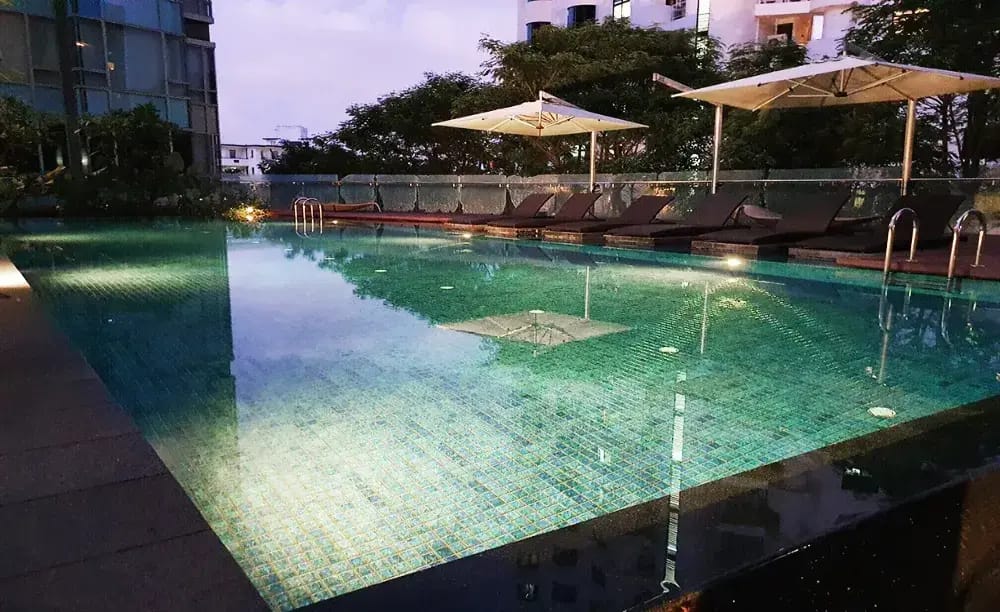
Luminous efficiency (measured in lumens per watt) reflects how efficiently a light source converts electrical energy into visible light. If this metric is ignored, the lighting fixtures you ultimately choose may meet the wattage and lumen specifications but could end up wasting energy month after month.
Consider two LED lights: one consumes 10W to produce 800 lumens (80 lm/W), while the other requires 12W to achieve the same 800 lumens (approximately 67 lm/W). Although both provide the same brightness, the former consumes less energy per hour—saving you money in the long run.
The right approach: Focus on luminous efficacy. When purchasing LED pool lights, choose products with a luminous efficacy of at least 80 lm/W. The higher the luminous efficacy, the more you’ll save on electricity bills over time.
Not all pools are alike. Assuming a single wattage or lumen standard works for every pool often leads to poor results.
Residential pools are typically smaller, shallower, and used less frequently. They benefit from lower-wattage, moderate-lumen fixtures that balance energy savings with aesthetics. Commercial pools, on the other hand, are larger, deeper, and see heavy use. They need higher-wattage, higher-lumen lights to ensure consistent brightness and safety across the entire space.
What to do instead: Choose wattage and lumens based on your specific pool type, size, and usage patterns. Avoid copying someone else’s setup without considering your own needs.
Even the right light can underperform if it’s installed in the wrong spot. Poor placement often results in dark zones, uneven lighting, or harsh glare.
For residential pools, lights are usually best positioned under the edge of the surrounding deck or along the pool floor perimeter—spread out evenly. For commercial pools, mounting lights along the side walls, spaced 5–8 meters (16–26 feet) apart, helps achieve uniform coverage, especially in deep areas.
What to do instead: Plan the installation layout when you choose your lights. Consider the beam angle and spacing to achieve even, glare-free illumination with no blind spots.
Pool lights are submerged for long periods, so waterproofing is critical. Yet many buyers focus only on brightness and energy specs, overlooking protection ratings—leading to premature failure, short circuits, or even safety hazards.
For reliable underwater use, an IP68 rating is the standard to look for. This is the highest level of waterproof protection, ensuring the light can withstand continuous submersion. Pay attention to sealing quality as well.
What to do instead: Make waterproofing your top priority—above wattage or lumens. Always choose lights with an IP68 rating and robust seals to prevent moisture damage and ensure long-term safety.
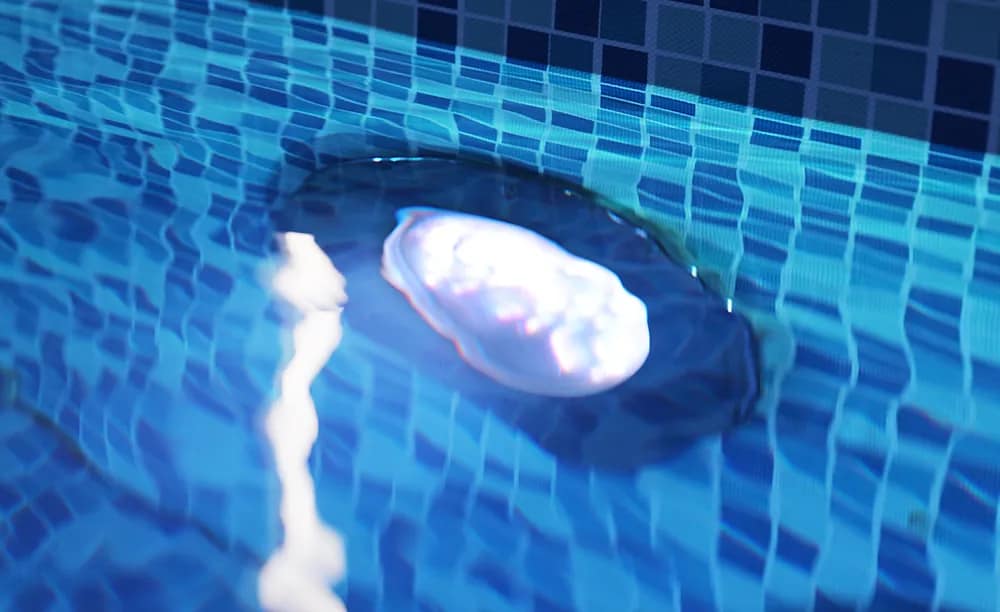
Choosing the right pool light isn’t about chasing the highest wattage or the brightest lumens—it’s about understanding how these factors work together to deliver safe, efficient, and comfortable illumination. By moving beyond common misconceptions and focusing on what truly matters—lumens, efficacy, proper placement, and waterproofing—you can avoid costly mistakes and enjoy a pool that’s both beautifully lit and energy-efficient.
Whether you’re upgrading a residential backyard oasis or outfitting a commercial facility, taking the time to match your lighting to your specific needs will pay off in lower operating costs, better visibility, and greater peace of mind. When in doubt, prioritize quality, consult with a trusted supplier, and remember: the best pool light isn’t the most powerful one—it’s the one that performs reliably, night after night, exactly where and how you need it.

 EN
EN  ES
ES  FR
FR  ID
ID